Mediterranean Diet
Mediterranean Diet: Why It’s Consistently Ranked as the Healthiest
By Daniel Hart | March 28, 2026

There’s a reason the Mediterranean diet keeps showing up at the top of global health rankings year after year. While many diets rise and fall with trends, promises, and quick fixes, this one has quietly stood the test of time. It isn’t built around restriction or extreme rules. Instead, it reflects a way of life—one that millions of people around the Mediterranean Sea have followed naturally for generations.
But what makes it so special? Why do nutritionists, doctors, and researchers consistently point to this eating pattern as the gold standard for health? The answer goes far beyond olive oil and fresh vegetables—it’s a combination of science, culture, and sustainability.
🌿 A Lifestyle, Not Just a Diet
One of the most important things to understand is that the Mediterranean diet is not really a “diet” in the modern sense. There are no strict calorie counts, no forbidden food lists, and no temporary phases. Instead, it’s a flexible, balanced approach to eating that emphasizes whole foods and mindful habits.
“Think of it less as a rulebook and more as a rhythm—one that prioritizes quality, balance, and enjoyment.”
Meals are often shared with family, eaten slowly, and paired with an active lifestyle. This holistic approach plays a major role in its long-term success.
🥗 The Core Components
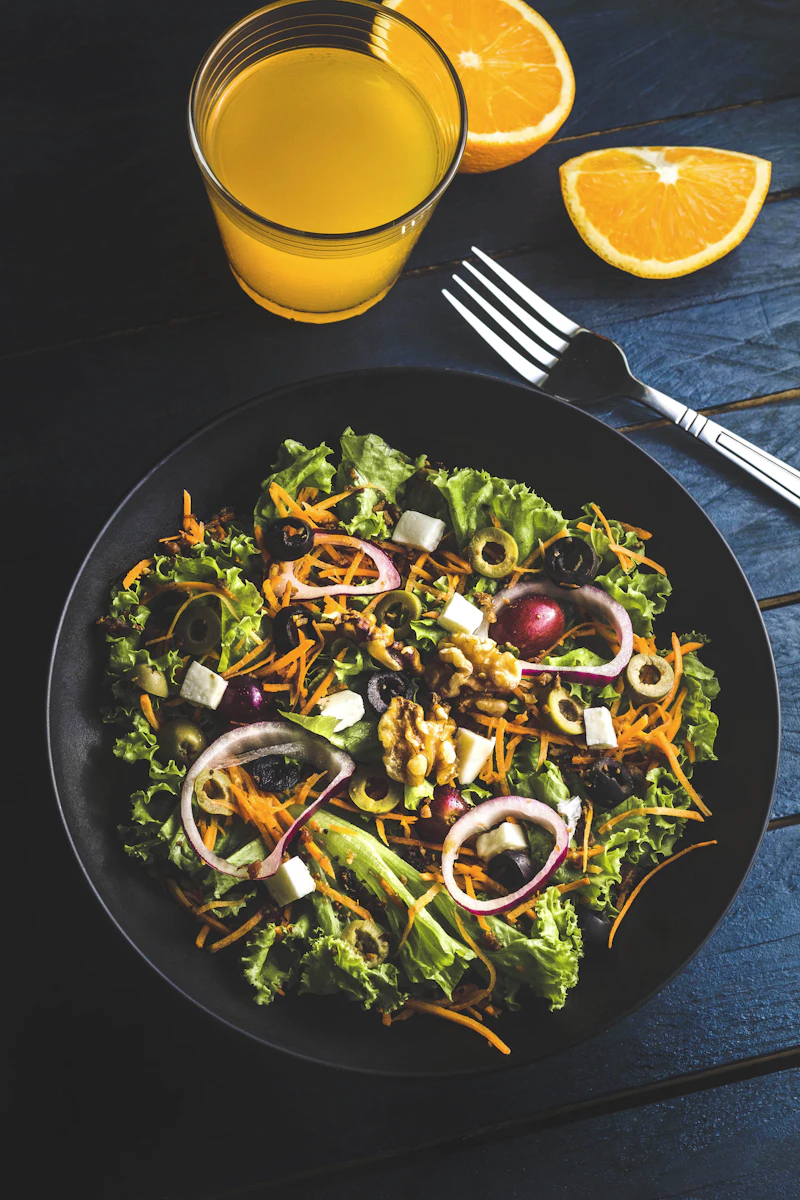
At its heart, the Mediterranean diet is built around a few key principles:
- Plenty of fruits and vegetables
- Whole grains instead of refined ones
- Healthy fats, especially olive oil
- Moderate amounts of fish and poultry
- Limited red meat and processed foods
- Optional moderate wine consumption
These foods provide a rich mix of vitamins, minerals, fiber, and antioxidants—nutrients that support nearly every system in the body.
❤️ Proven Heart Health Benefits
Perhaps the most well-known advantage of the Mediterranean diet is its impact on heart health. Numerous studies have shown that people who follow this eating pattern have a lower risk of heart disease, stroke, and high blood pressure.
The reason lies largely in the types of fats consumed. Instead of saturated fats found in processed foods, the Mediterranean diet emphasizes monounsaturated fats—primarily from olive oil and nuts—which help reduce harmful cholesterol levels.
🧠 Brain Health and Longevity
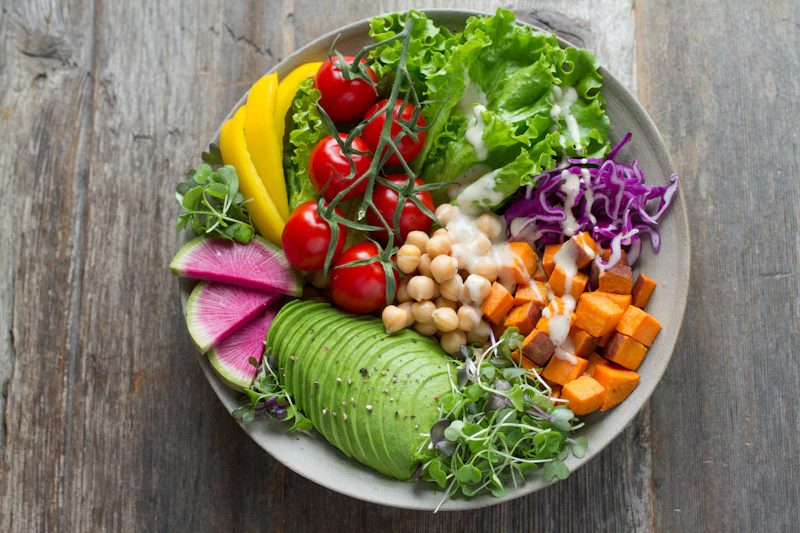
Beyond the heart, the Mediterranean diet has been linked to better brain health. Research suggests it may reduce the risk of cognitive decline and conditions like Alzheimer’s disease.
This is likely due to its high levels of antioxidants and anti-inflammatory compounds, which protect brain cells from damage. Foods like berries, leafy greens, and fatty fish play a particularly important role here.
“What you eat today doesn’t just affect how you feel—it shapes how your brain functions years from now.”
⚖️ Weight Management Without Stress
Unlike restrictive diets that often lead to cycles of weight loss and regain, the Mediterranean approach supports sustainable weight management. Because it focuses on nutrient-dense foods and balanced meals, it naturally helps regulate appetite.
There’s no need to count every calorie or eliminate entire food groups. Instead, the emphasis is on portion awareness and food quality.
- High fiber keeps you full longer
- Healthy fats reduce cravings
- Balanced meals stabilize blood sugar
🌍 Sustainability and Real-World Practicality
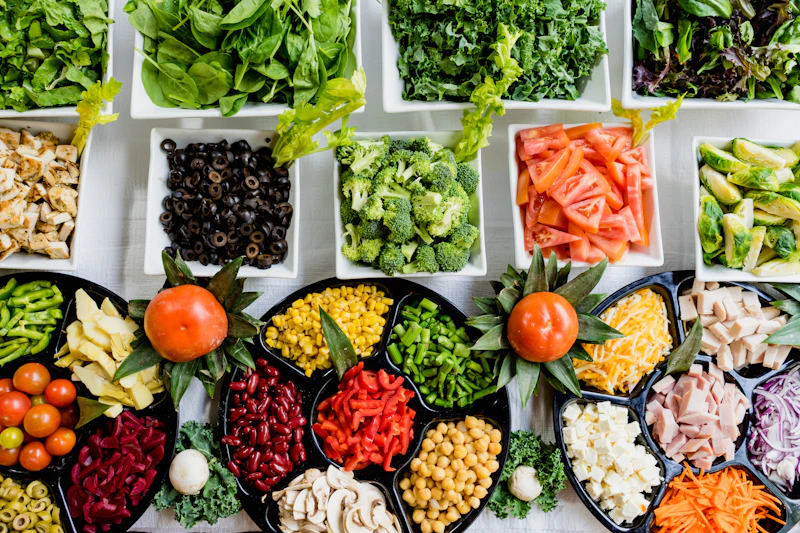
Another reason for its global recognition is sustainability. The Mediterranean diet isn’t built around expensive or hard-to-find ingredients. Most foods are accessible, affordable, and adaptable to different cultures.
It also has a lower environmental impact compared to meat-heavy diets, making it a smarter choice not just for individuals—but for the planet.
🍽️ A Day on the Mediterranean Diet
To make things more concrete, here’s what a typical day might look like:
- Breakfast: Greek yogurt with honey, nuts, and fresh fruit
- Lunch: Whole grain bread, hummus, vegetables, and olive oil
- Dinner: Grilled fish with roasted vegetables and a side salad
- Snacks: Nuts, fruit, or olives
Notice how simple and satisfying these meals are. There’s variety, color, and balance—without complexity.

🔍 Why Experts Keep Ranking It #1
Year after year, health organizations and nutrition experts rank the Mediterranean diet as one of the best overall eating patterns. The reasons are clear:
- Strong scientific evidence supporting its benefits
- Ease of adoption and flexibility
- Long-term sustainability
- Focus on overall wellness, not just weight loss
Unlike fad diets that rely on strict rules, this approach works because it aligns with how people naturally eat and live.
📝 Final Thoughts
The Mediterranean diet isn’t about perfection. It’s about consistency, enjoyment, and balance. It encourages people to reconnect with food—not as something to fear or control, but as something to nourish and enjoy.
In a world filled with conflicting nutrition advice, its simplicity is perhaps its greatest strength. You don’t need complicated plans or expensive products. Just real food, shared moments, and a mindful approach to eating.
“The healthiest diet isn’t the strictest one—it’s the one you can actually live with.”
And that’s exactly why the Mediterranean diet continues to earn its place at the top.