How Gut Health Impacts Your Overall Well-being
By Daniel Harper | March 18, 2026

There was a time when most people thought of the gut as nothing more than a digestion machine—a place where food gets broken down and nutrients are absorbed. But over the past decade, science has revealed something far more fascinating. Your gut is not just a digestive organ—it is a complex ecosystem, deeply connected to nearly every aspect of your health.
From your immune system to your mood, from your energy levels to your skin, your gut health plays a central role. And perhaps the most surprising part? Many people walk around with an imbalanced gut without even realizing it.
“All disease begins in the gut.” — Hippocrates
What Exactly Is Gut Health?
Your gut is home to trillions of microorganisms—bacteria, viruses, fungi—collectively known as the gut microbiome. While that might sound unsettling, many of these microbes are essential for your survival. They help digest food, produce vitamins, regulate inflammation, and even communicate with your brain.
A healthy gut is one where beneficial bacteria thrive, harmful microbes are kept in check, and the intestinal lining remains strong and intact.

The Gut-Brain Connection: More Real Than You Think
Ever had a “gut feeling”? That’s not just a figure of speech. Your gut and brain are directly connected through what scientists call the gut-brain axis. This communication network allows your digestive system to send signals to your brain—and vice versa.
In fact, about 90% of serotonin, the “feel-good” neurotransmitter, is produced in the gut. This means your gut health can significantly influence your mood, stress levels, and even mental clarity.
How Gut Health Affects Your Immune System
Your gut is your immune system’s first line of defense. Roughly 70% of your immune cells reside in your gut, constantly interacting with the microbiome.
When your gut is balanced, your immune system responds appropriately—fighting off harmful invaders without overreacting. But when your gut is out of balance, your immune system can become either weakened or overly aggressive, leading to infections or chronic inflammation.

Signs Your Gut Might Be Out of Balance
Gut health issues don’t always show up as stomach pain. In fact, many symptoms are surprisingly subtle or unrelated to digestion.
- Frequent bloating or gas
- Irregular bowel movements
- Persistent fatigue
- Skin issues like acne or eczema
- Difficulty concentrating
- Food intolerances
If you recognize several of these signs, your gut might be asking for attention.
The Role of Diet in Gut Health
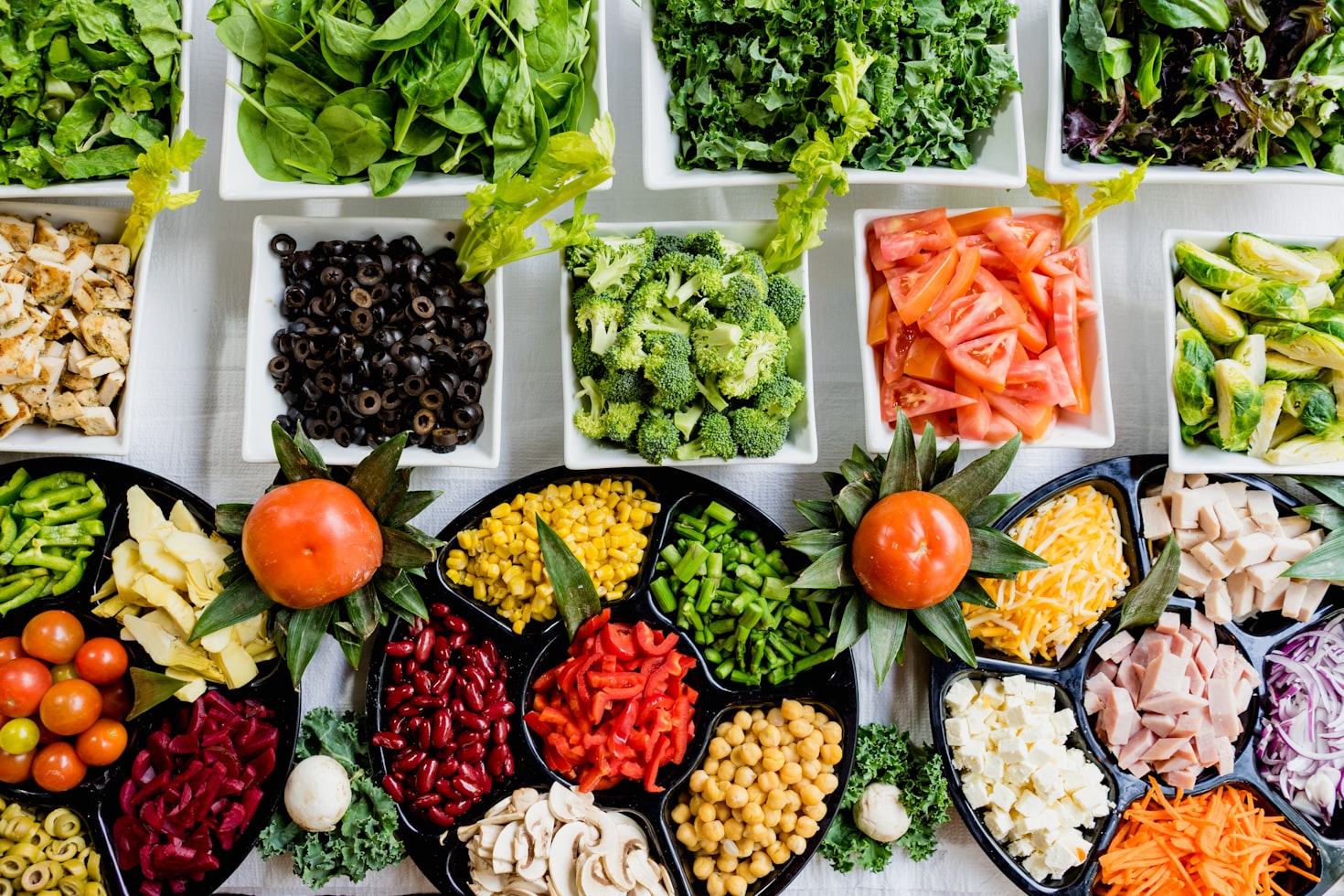
What you eat directly shapes your gut microbiome. Diets high in processed foods, sugar, and unhealthy fats tend to promote harmful bacteria. On the other hand, whole foods rich in fiber help beneficial bacteria flourish.
Fiber acts as fuel for good bacteria, allowing them to produce compounds that reduce inflammation and support overall health.
Probiotics and Prebiotics: What’s the Difference?
You’ve probably heard of probiotics, but what about prebiotics? While they sound similar, they play different roles.
Probiotics are live beneficial bacteria found in foods like yogurt, kefir, and fermented vegetables. Prebiotics are types of fiber that feed those beneficial bacteria.
Both are essential. Think of probiotics as seeds, and prebiotics as the soil that helps them grow.
The Hidden Impact of Stress on Your Gut
Stress doesn’t just affect your mind—it can disrupt your gut as well. Chronic stress alters the balance of your microbiome and weakens the gut lining.
This can lead to increased inflammation and digestive issues, creating a cycle where poor gut health increases stress, and stress worsens gut health.
Your mental health and gut health are deeply intertwined—taking care of one helps the other.
Simple Ways to Improve Your Gut Health
The good news is that improving your gut health doesn’t require drastic changes. Small, consistent habits can make a big difference over time.
- Eat more whole, fiber-rich foods
- Stay hydrated throughout the day
- Include fermented foods in your diet
- Reduce processed foods and added sugars
- Get enough sleep
- Manage stress through mindfulness or exercise

Why Gut Health Is a Long-Term Investment
Improving your gut health is not about quick fixes or short-term diets. It’s about creating sustainable habits that support your body over time.
The microbiome can change relatively quickly, but maintaining balance requires consistency. Think of it as tending a garden—you need to nurture it regularly to see lasting results.
Over time, a healthy gut can lead to better digestion, stronger immunity, improved mood, and higher energy levels.
Final Thoughts
Your gut is at the center of your overall well-being. While it may not always get the attention it deserves, its influence reaches far beyond digestion.
By making mindful choices—what you eat, how you manage stress, and how you care for your body—you can support a healthier gut and, in turn, a healthier life.
It’s not about perfection. It’s about progress. And your gut will thank you for every small step you take.