
Plant-Based Protein vs. Animal Protein: Which is Better?
By Daniel Harper • March 28, 2026
In recent years, the debate between plant-based protein and animal protein has grown louder than ever. Walk into any grocery store, scroll through social media, or talk to a fitness enthusiast, and you will quickly notice that protein is at the center of countless health discussions. But beneath the surface of trends and marketing, there is a more nuanced story—one that involves science, culture, sustainability, and personal health.
Understanding Protein at Its Core
Protein is an essential macronutrient made up of amino acids, often described as the building blocks of life. These amino acids are responsible for repairing tissues, building muscle, supporting immune function, and even producing hormones and enzymes.

There are 20 amino acids in total, nine of which are considered essential because the body cannot produce them on its own. This distinction becomes crucial when comparing plant-based and animal protein sources.
Animal Protein: The Traditional Powerhouse
Animal-based proteins—such as meat, eggs, dairy, and fish—are often referred to as “complete proteins.” This means they contain all nine essential amino acids in sufficient quantities.

For decades, athletes and bodybuilders have relied heavily on animal protein due to its efficiency in muscle repair and growth. Whey protein, derived from milk, is particularly famous for its fast absorption and high leucine content.
Plant-Based Protein: The Rising Star
Plant-based proteins come from sources like legumes, lentils, beans, tofu, tempeh, nuts, seeds, and whole grains. Unlike most animal proteins, many plant proteins are considered “incomplete,” meaning they lack one or more essential amino acids.
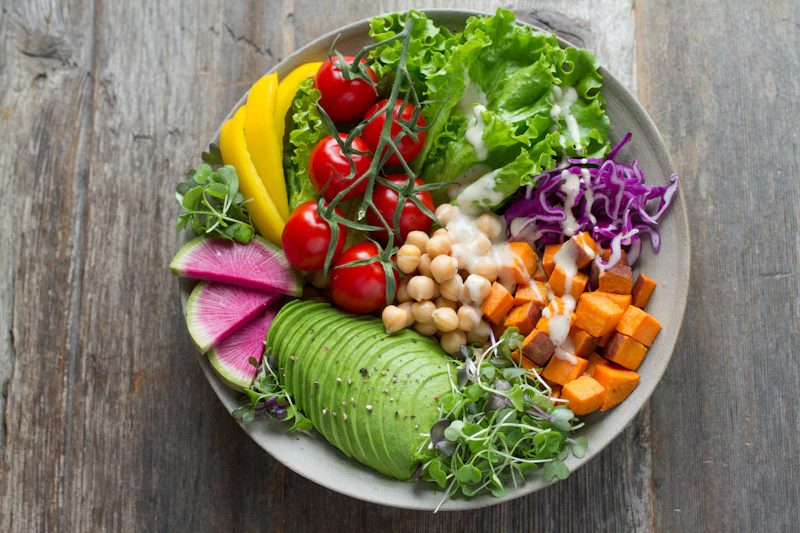
However, this does not mean plant protein is inferior. By combining different plant sources—such as rice and beans—you can achieve a complete amino acid profile.
Health Impacts: A Closer Look
One of the most significant differences between plant and animal protein lies in their broader nutritional profiles. Animal proteins often come with saturated fats and cholesterol, while plant proteins are typically rich in fiber, antioxidants, and phytonutrients.
Studies have shown that diets high in plant-based foods are associated with lower risks of heart disease, type 2 diabetes, and certain cancers. On the other hand, moderate consumption of lean animal protein can support muscle maintenance, especially in aging populations.
Digestibility and Absorption
Animal proteins generally have higher digestibility scores, meaning the body can absorb and utilize them more efficiently. This is one reason why they are often favored in performance nutrition.
However, plant proteins are catching up. Advances in food technology have led to high-quality plant protein isolates that rival traditional sources in both digestibility and effectiveness.
Environmental Considerations
Beyond personal health, the environmental impact of protein sources is becoming increasingly important. Animal agriculture is a major contributor to greenhouse gas emissions, water usage, and land degradation.

Plant-based proteins, in contrast, generally require fewer resources and produce significantly lower emissions. This makes them a more sustainable choice for those concerned about the planet.
Taste, Culture, and Accessibility
Food is not just about nutrients—it is deeply tied to culture, tradition, and personal preference. For many people, animal protein is a staple that carries emotional and cultural significance.
Meanwhile, plant-based diets are becoming more diverse and accessible than ever. From innovative meat alternatives to global cuisines rich in plant proteins, the options continue to expand.
So, Which Is Better?
The answer is not as simple as choosing one over the other. Both plant-based and animal proteins have their advantages and drawbacks.
If your goal is muscle growth and convenience, animal protein may offer a slight edge. If you are focused on long-term health and sustainability, plant-based protein could be the better option.
A Balanced Perspective
Ultimately, the best approach may be a balanced one. Incorporating a variety of protein sources allows you to benefit from the strengths of both categories.
Rather than viewing the debate as a competition, it may be more productive to see it as an opportunity to diversify your diet and make more informed choices.
As nutrition science continues to evolve, one thing remains clear: there is no one-size-fits-all solution. Your ideal protein source depends on your lifestyle, goals, values, and overall dietary pattern.
Whether you lean toward plants, animals, or a mix of both, the key is to prioritize quality, balance, and consistency.