The Gut-Brain Connection: How Your Diet Impacts Your Mental Well-being
By Alex Rivera
Updated: April 12, 2026

Have you ever felt "butterflies" in your stomach before a big presentation? Or perhaps a "gut feeling" that guided you through a tough decision? For decades, Western medicine viewed these sensations as mere metaphors—psychological reactions manifesting in the physical body. However, the cutting edge of nutritional neuroscience is revealing something far more profound: your gut and your brain are in a constant, high-speed, bidirectional conversation. This isn't just about digestion; it’s about your mood, your cognitive clarity, your resilience to stress, and your overall mental health.
Welcome to the era of Nutritional Psychiatry. In this comprehensive guide, we will explore why scientists now refer to the human gut as the "Second Brain" (the Enteric Nervous System) and how the trillions of microbes living inside you act as a chemical factory for your mind. Most importantly, we will discuss how you can harness this connection through your diet to build a happier, clearer, and more stable version of yourself.
Section 1: The Anatomy of a Connection
To understand the gut-brain connection, we must first look at the Vagus Nerve. Imagine a massive biological superhighway that stretches from the brainstem all the way down to the lowest reaches of your abdomen. This is the Vagus nerve, the longest nerve in the autonomic nervous system. It acts as the primary channel for communication between your central nervous system and your internal organs.
💡 The 90/10 Rule
It was long believed that the brain gave all the orders. However, research now shows that 90% of the fibers in the Vagus nerve carry information from the gut to the brain, and only 10% carry information in the other direction. Your gut is literally "shouting" at your brain all day long, influencing your emotions before your conscious mind even realizes what’s happening.
Beside the Vagus nerve, we have the Enteric Nervous System (ENS). The ENS is a network of more than 100 million neurons—more than in the spinal cord—embedded in the lining of the gastrointestinal tract. While it doesn't "think" in the traditional sense, it manages the complex choreography of digestion and, crucially, produces a massive array of neurotransmitters that are identical to those found in the brain.
Section 2: The Microbiome—Your Internal Pharmacy
Living within your gut is a collection of trillions of microorganisms known as the Microbiome. This isn't just a passive colony; it is an active metabolic organ. These microbes weigh about as much as your brain (around 2-3 pounds) and contain 150 times more genetic material than your own human cells. From an evolutionary perspective, we are more "microbe" than "human."
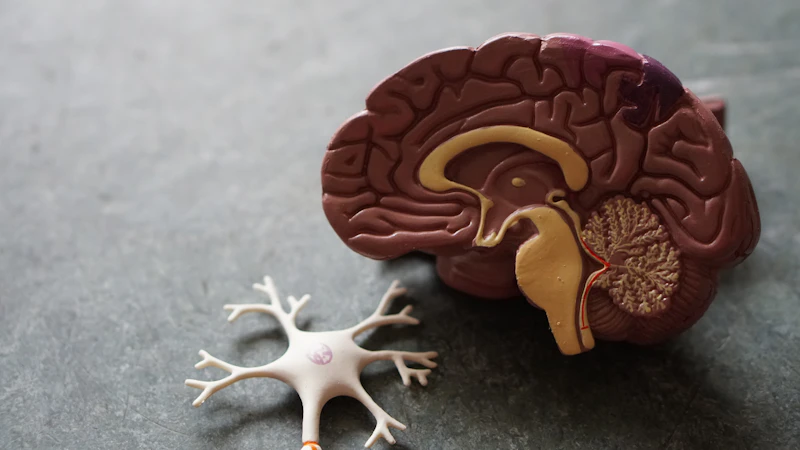
The microbiome produces neurochemicals that the brain uses to regulate physiological and mental processes. For instance:
- Serotonin: Known as the "feel-good" hormone, 95% of the body’s serotonin is produced in the gut.
- Dopamine: Linked to reward and motivation; gut bacteria play a key role in its synthesis.
- GABA (Gamma-aminobutyric acid): A major inhibitory neurotransmitter that helps control feelings of fear and anxiety. Certain strains of Lactobacillus and Bifidobacterium are known to produce GABA.
Section 3: Inflammation—The Invisible Enemy of Happiness
If the gut microbiome is out of balance (a condition called dysbiosis), the protective lining of the gut can become compromised. This is often referred to as "Leaky Gut" or increased intestinal permeability. When this happens, microscopic food particles, toxins, and bacteria leak into the bloodstream.
Your immune system identifies these "intruders" and launches an attack, causing systemic inflammation. When this inflammation crosses the blood-brain barrier, it manifests as neuroinflammation. This is often the root cause of "brain fog," chronic fatigue, and even clinical depression. In fact, many modern researchers now view depression not just as a "chemical imbalance" but as an inflammatory response triggered in the gut.
⚠️ The Sugar-Inflammation Loop
Refined sugars and artificial sweeteners are the primary drivers of gut inflammation. They feed harmful bacteria like Candida, which can cause sugar cravings that feel impossible to resist. When you crash after a sugar high, the drop in glucose triggers cortisol (the stress hormone), creating a state of biological anxiety that can ruin your focus for hours.
Section 4: The Psychobiotic Diet—Eating for Your Mind
The good news is that the microbiome is incredibly plastic. You can change the composition of your gut bacteria in as little as 24 to 48 hours simply by changing what you eat. The "Psychobiotic Diet" focuses on foods that have been clinically shown to improve mood and reduce stress.
| Food Group | Mood Benefits | Pro-Tip |
|---|---|---|
| Fermented Foods (Kimchi, Kefir, Miso) | Directly introduces beneficial probiotic strains. | Look for "Live & Active Cultures" on labels. |
| Cruciferous Veggies (Broccoli, Kale) | High in prebiotic fiber that feeds good bacteria. | Lightly steam to preserve enzymes. |
| Omega-3 Fats (Salmon, Chia, Flax) | Reduces brain inflammation and builds cell walls. | Eat wild-caught fish twice a week. |
| Polyphenols (Berries, Dark Chocolate) | Antioxidants that protect the brain from oxidative stress. | Choose 85% cocoa or higher for dark chocolate. |
Section 5: The Circadian Rhythm of the Gut
Most people know about the "body clock" that makes us sleepy at night. But did you know your gut bacteria have a clock too? Your microbes follow a strict circadian rhythm, and they expect to be fed during daylight hours and allowed to rest during the night.
When we engage in late-night snacking or irregular eating patterns, we "jet lag" our microbiome. This disruption slows down digestion and alters the production of melatonin (the sleep hormone), which is also partially synthesized in the gut. For optimal mental health, try to finish your last meal at least three hours before bed. This "Intermittent Fasting" window allows your body to enter a state of autophagy, where it repairs damaged cells and cleans up metabolic waste.

Section 6: Magnesium and B-Vitamins—The Co-Factors of Joy
Beyond the bacteria themselves, your gut needs specific micronutrients to convert amino acids from your food into neurotransmitters. Two of the most critical are Magnesium and B-Vitamins.
Magnesium is often called "Nature’s Valium." It helps relax the muscles and calms the nervous system. A deficiency in magnesium—which is incredibly common in modern society due to soil depletion—is a leading cause of insomnia and panic attacks. You can find it in abundance in pumpkin seeds, spinach, and dark chocolate.
Vitamin B12 and Folate (B9) are essential for "methylation," a process that regulates gene expression and neurotransmitter synthesis. If your gut is inflamed, you may struggle to absorb these vitamins even if you take supplements. This is why healing the gut lining is the first step toward effective mental health nutrition.
Section 7: Frequently Asked Questions (FAQ)
1. How long does it take to see improvements in mood?
While some people notice a "brain fog" lifting within 3-5 days of cutting out sugar, significant shifts in the microbiome usually take about 2 to 4 weeks of consistent dietary changes.
2. Are probiotic supplements better than fermented foods?
Fermented foods usually offer a wider diversity of strains and are more stable. Supplements can be helpful for specific clinical issues, but for general mental well-being, food is the gold standard.
3. Can I drink coffee on a gut-healing diet?
Yes! Coffee is actually high in polyphenols. However, avoid adding creamers and refined sugars, and try not to drink it on an empty stomach if you suffer from anxiety.
4. What is the single most important thing to add to my diet?
Fiber. Aim for 30-40 grams a day. Most people get less than 15g. Fiber is the "fuel" for the microbes that produce your happy chemicals.
Section 8: A Sample Day for a Healthy Gut & Happy Brain
If you're feeling overwhelmed, here is a simple "Menu for the Mind" to get you started:
- Breakfast (08:30 AM): Greek yogurt or coconut yogurt (unsweetened) topped with blueberries, walnuts, and a sprinkle of ground flaxseeds.
- Lunch (12:30 PM): A large salad with mixed greens, roasted chickpeas, avocado, and a side of raw sauerkraut. Dress with olive oil and lemon.
- Afternoon Snack (03:30 PM): An apple with almond butter or a piece of 85% dark chocolate.
- Dinner (06:30 PM): Baked wild salmon or tempeh with sautéed asparagus and a small serving of quinoa or sweet potato.
The Conclusion: Reclaiming Your Narrative
The journey to better mental health is not found in a single "miracle" food or a fad diet. It is found in the deep, ancestral understanding that your body and mind are a single, integrated system. Every bite you take is a signal to your genes, your hormones, and your trillions of microscopic residents. By shifting your focus from "calorie counting" to "microbe nourishing," you take the steering wheel of your own mental health.
The path forward is simple but profound: Eat real, whole foods. Prioritize fiber and fermentation. Respect your internal clock. And most importantly, listen to your gut—it has been trying to tell you something for a long time. It’s finally time we started listening.
© 2026 HeartFact Wellness Research. All Rights Reserved.
This content is for educational purposes and is not a substitute for professional medical advice.