Wearable Stress Trackers: Can Biofeedback Devices Actually Calm Your Nervous System?
By Daniel Hart | March 28, 2026
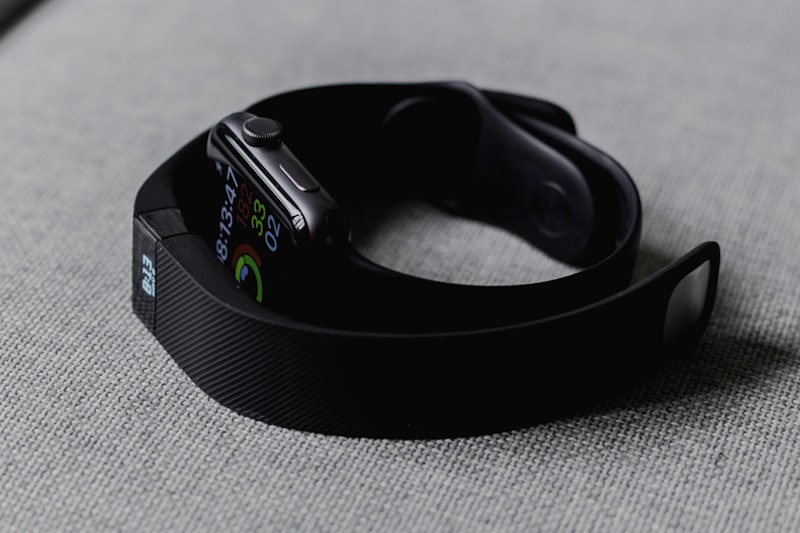
Stress is no longer an occasional inconvenience — for many people, it has become a constant background noise. You wake up and check your phone, rush through your day, juggle responsibilities, and somehow still feel like you're falling behind. Over time, that pressure builds, quietly shaping how your body feels and how your mind responds.
This growing awareness has sparked interest in wearable stress trackers — devices designed not only to measure stress but to help regulate it in real time. They promise something powerful: the ability to understand your nervous system and influence it.
But can technology really help calm your body? Or are these devices simply another layer of digital noise in an already overstimulated world?
Understanding Stress at the Biological Level

To understand how wearable stress trackers work, we first need to understand stress itself. At its core, stress is a physiological response. When your brain detects a threat — whether real or perceived — it activates the sympathetic nervous system, triggering the familiar "fight or flight" response.
Your heart rate increases, breathing becomes shallow, and stress hormones like cortisol flood your body. This response is useful in short bursts, but when it becomes chronic, it can negatively affect nearly every system in the body.
The key to managing stress lies in activating the opposite system — the parasympathetic nervous system. This is where calm, recovery, and healing take place.
What Wearable Stress Trackers Actually Measure
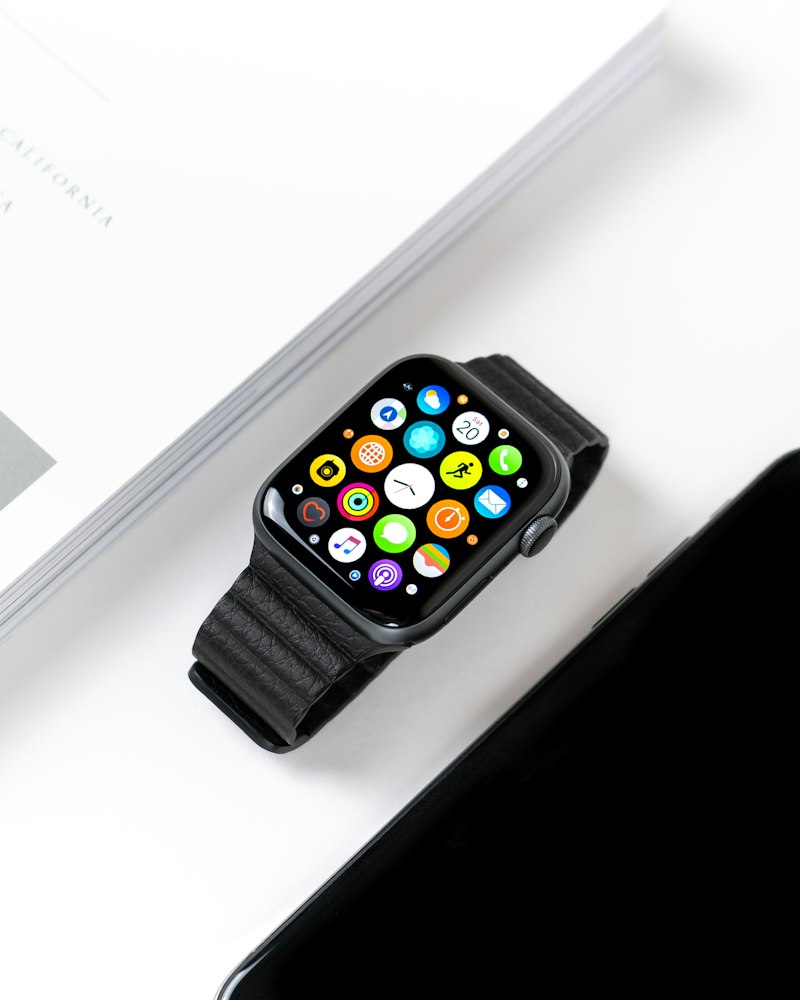
Modern wearable devices rely on a combination of sensors to estimate stress levels. The most important metric is heart rate variability (HRV), which measures the variation in time between heartbeats. Contrary to what many people assume, a higher variability is actually a good sign — it indicates that your nervous system is flexible and resilient.
In addition to HRV, many devices track resting heart rate, sleep patterns, movement, and sometimes even skin conductance. By combining these signals, algorithms estimate whether your body is under stress or in recovery mode.
While these measurements are not perfect, they provide a useful snapshot of how your body responds throughout the day.
Biofeedback: Turning Data Into Action

The true value of these devices lies in biofeedback. Instead of simply telling you that you're stressed, they guide you toward changing it.
For example, when your device detects elevated stress, it may prompt you to take slow, controlled breaths. This isn't random advice — slow breathing directly influences the vagus nerve, which plays a key role in calming the nervous system.
Over time, this creates a feedback loop: you become aware of stress, take action, and see immediate results. This reinforces the behavior and helps build long-term resilience.
Real-Life Benefits Users Report
Many users report subtle but meaningful changes after using wearable stress trackers consistently. These include improved sleep quality, better emotional awareness, and a greater sense of control during stressful situations.
One of the most overlooked benefits is pattern recognition. After a few weeks of tracking, you may begin to notice that certain habits — like late-night screen use, caffeine, or lack of movement — significantly impact your stress levels.
This awareness allows you to make smarter decisions without needing to rely purely on willpower.
Where These Devices Fall Short
Despite their advantages, wearable stress trackers are not perfect. Sensor accuracy can vary, and data interpretation is not always precise. A stressful meeting and an intense workout might look similar from a purely physiological perspective.
There is also a psychological downside. Some users become overly focused on their metrics, checking their stress levels constantly and worrying when the numbers aren't ideal.
Ironically, this can create more stress rather than reduce it.
The key is balance: using the device as a guide, not a judge.
Practical Tips to Get the Most Out of a Stress Tracker
If you decide to use a wearable stress tracker, how you use it matters more than which model you choose. Here are a few practical ways to maximize its benefits:
- Focus on trends over time rather than single readings.
- Use breathing exercises when prompted instead of ignoring notifications.
- Pay attention to lifestyle patterns that affect your stress.
- Avoid obsessively checking your data throughout the day.
- Combine the device with real-world habits like exercise and sleep hygiene.
When used intentionally, these devices can become powerful tools for self-awareness.
Frequently Asked Questions
Can a wearable really reduce stress?
Not directly — but it can guide behaviors that reduce stress, such as breathing exercises and mindfulness.
How long does it take to see results?
Many users notice changes within a few weeks, especially when they actively engage with the feedback.
Are these devices medically accurate?
They are not medical devices, but they can still provide useful insights when used correctly.
The Bigger Picture
Technology is evolving rapidly, but the fundamentals of stress management remain the same. Sleep, movement, breathing, and connection are still the pillars of a healthy nervous system.
Wearable stress trackers don't replace these foundations — they simply make them more visible.
In a sense, they act as a mirror, reflecting how your daily choices influence your internal state.
Final Thoughts
Wearable stress trackers are not magic devices, but they are far from useless. When used with intention, they can help bridge the gap between awareness and action.
They remind you to pause, breathe, and pay attention — small actions that can have a profound impact over time.
Ultimately, calming your nervous system is not about chasing perfect numbers. It’s about building a relationship with your body — one where you listen, respond, and gradually learn what balance feels like.
And in a world that constantly pulls your attention outward, that ability might be more valuable than any technology itself.